
"coffee development China"
5000 article(s) found

Boutique coffee in China
With the promotion of boutique coffee by boutique coffee associations around the world, with everyone's familiarity with the first wave, the second wave of coffee is vigorous on the continent outside the Asian continent, and now they are experiencing the third wave of coffee. For boutique coffee in China, there are about two views in the industry-pessimism and optimism.
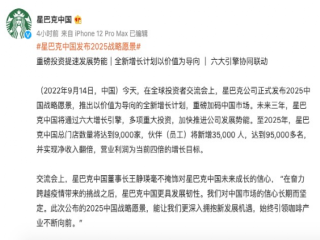
Starbucks China's latest plan! My partner needs a raise!
Professional coffee knowledge exchange more coffee bean information please follow the coffee workshop (Wechat official account cafe_style) more boutique coffee beans please add private Wechat Qianjie coffee, WeChat: Qjicieex September 14, Starbucks China released its strategic vision for China 2025. The plan has not been mentioned.

The Prospect of Chinese Coffee Market the Development trend of Foreign Coffee Brands in China
Many people often go to cafes, but how many people really understand coffee? how much do we know about coffee culture and coffee etiquette? There is such an example, when someone invited a client to a coffee shop to talk about things, the other party's female secretary ordered a cappuccino, and when the waiter asked him about himself, he also had a cappuccino, but the female secretary was an uninteresting person. Right away.

Where is it suitable for growing Coffee in China? performance of brewing flavor of small-grain coffee in Baoshan, Yunnan, China
Coffee has been grown in China for more than one hundred years, but it has not been long since it became a commodity. In the late 1980s, the area was as high as 270000 mu, including 210000 mu in Hainan, 50, 000 mu in Yunnan and more than 10, 000 mu in Guangdong, and some were planted in Fujian. Later, as the price of coffee beans fell, the growers had to change the coffee to other crops. The acreage began to decline in 1991

The brand culture of Hougu Coffee Company introduces the first local coffee product in China.
Hougu Coffee is the first local coffee brand in China. in addition, there are no other large-scale brands in China. Relying on the huge domestic consumer market and development potential, Hougu Coffee has good market development conditions. Hougu Coffee has a profound Chinese cultural heritage, absorbing the cultural traditions of Taoism and Confucianism. The meaning of Hougu comes from the moral Sutra, and the latter represents the king as the queen.

Coffee appeared relatively late in China, but why has it maintained a rapid development for 10 years?
China's coffee market has ushered in a boutique era. According to the survey, the main consumers of coffee are urban workers. This part of the consumer group is also the leader of social fashion, they are interested in foreign food culture and easy to accept. With the consumption of coffee, coffee culture came into being, and the coffee shop has become the breeding place of coffee culture. To some extent, coffee culture
Coffee planting History of Coffee introduction and expansion in China in the early stage (5)
1. From the first peak period of the development of China's coffee industry (1952-1961) to the late 1940s, according to recorded figures, there are 2173.33 hectares of rubber plantations in Hainan Island, with a total of 867600 rubber trees, with an annual output of 199,000 tons of dry rubber, and more than 300,000 coffee plants. the annual output of coffee beans is 1 ton. According to a survey in the early 1950s, there was a large amount of coffee left in Fushan area of Chengmai County, with a total of 70,000.
Nestle Coffee Center lays foundation in Pu 'er, Yunnan, China
(Yunnan, March 9, 2015) The large-scale project of Nescafe Center in Pu 'er Industrial Park officially broke ground today, which will greatly enhance the ability to provide training and technical support for coffee farmers and coffee practitioners, and further improve and promote the development of Pu' er coffee industry. The centre is expected to be operational during the 2015-2016 coffee procurement season. The Nescafe Centre consists of two sections

China's coffee industry is developing rapidly, with a planting area of more than 1.8 million mu.
Although the coffee industry has a bright future, the problem of single variety also restricts the development of coffee industry in China. Long universe said frankly, at present, Katim series hybrid varieties account for more than 95% of the total coffee area in China, this series of varieties have the advantages of rust resistance, short stem, early production, high yield, quick effect, etc., but there are also defects such as poor stable yield, easy premature aging and poor quality. As the years of cultivation extend,

When was coffee introduced into China? when did coffee become popular in China?
The history of the introduction of coffee into China is not long, and it was not until 1884 that coffee was first planted in Taiwan Province. In the mainland of the motherland, the earliest coffee cultivation began in Yunnan. At the beginning of the 20th century, French missionaries brought the first batch of coffee saplings to Binchuan County, Yunnan Province, and began to grow coffee in the mainland. Chinese people have been drinking tea for thousands of years.
2014 China (Guangzhou) International Coffee Industry Expo
With the rapid development of China's economy, coffee, as a healthy drink with unique taste, is deeply loved by consumers, especially middle-aged and young people.
General situation of Coffee Industry
Coffee, as a traditional western drink, has a long history and cultural heritage. The world consumes at least 400 billion cups of coffee every year, and the current annual global coffee consumption is about 10 million tons. Coffee is the first of the two largest drinks in the world, and it is also the second largest trading commodity in the world after oil.

The finals of the 2017 China baristas skills Competition in East China have been officially launched.
Today (April 22), sponsored by the Coffee Bean Branch of China Fruit Circulation Association and the China Coffee Culture Communication Center, the final of the 2017 China baristas skills Competition, sponsored by Suzhou Coffee and Western Food Industry Chamber of Commerce, was officially launched in Tongli, Wujiang. More than 130 contestants, judges, media and guests from East China witnessed this moment together. The Ministry of Commerce promotes the circulation industry.

China's coffee consumption market has great potential, and the coffee industry should not be underestimated.
Recently, the three-day Fifth China International Coffee Exhibition came to an end at the China International Exhibition Center in Beijing. The reporter learned from the exhibition site that China's coffee consumption market has great potential and is mainly concentrated in the north, Shanghai, Guangzhou, Shenzhen and second-tier provincial capitals, but the coffee industry still lacks unified standards and professionalism, which restricts the development of China's coffee industry to a certain extent. Jin Kuiding (Heaven

More than 600,000 mu of coffee grown in Lincang, Yunnan Province, the first Yunnan Fine Coffee Culture Festival is about to open.
Professional coffee knowledge exchange more coffee bean information Please follow the coffee workshop (official Wechat account cafe_style) in December, more than 600,000 mu of coffee in Lincang City, Yunnan Province has become red, and the first Yunnan Fine Coffee Culture Festival is about to kick off. The reporter learned from the organizers of the event that the first Yunnan Fine Coffee Culture Festival and the 4th Yunnan Coffee Cup China final (with

The development space of coffee consumption market expands at a rate of more than 30% every year.
1. The scale of coffee consumption market is expanding rapidly in China, with an annual growth rate of 15% at present. At present, there is only a market of 80 billion yuan, and the mature coffee consumption market is expected to reach a capacity of 300 million yuan to 400 million yuan. As a result, China's coffee consumption market is expanding rapidly. according to the fact that various coffee industry giants have entered the Chinese market this year, other Chinese markets have been adjusted.
There are unlimited business opportunities for foreign cultures to settle in China's coffee market.
In recent years, with the rise of young and fashionable people, as well as the substantial growth of "returnees" and the number of overseas tourists, coffee culture has developed rapidly in China, and China's coffee industry has maintained a growth rate of more than 20% a year.

Current situation of McDonald's Development in China number of McDonald's restaurants McDonald's China launches migrant worker Program
In November last year, McDonald's invested 2.5 billion yuan to sell coffee, and this year McDonald's began to play a new game. Recently, McDonald's China launched a guarantee scheme for workers. What is the guarantee scheme for workers? Working well and doing a good job, the guarantee plan for migrant workers refers to providing round-the-clock and uninterrupted value concessions in multiple platforms and scenarios to fully support the rework of migrant workers. According to

Analysis of Coffee demand data in China in recent five years
With the opening of the country, coffee began to appear in the eastern coastal cities. There are records of coffee in the poems of the late Qing Dynasty, such as the bamboo branch word "Kao Fei", which was popular in Shanghai at that time. Colored sugar is sweet and bitter, and westerners cook tea for each meal. In the 1920s and 1930s, some cafes have appeared in old Shanghai and Kunming. New

When is the first peak period for the development of coffee planting industry in China?
By the end of the 1940s, according to recorded figures, there were 2173.33 hectares of rubber plantations on Hainan Island, with a total of 867600 rubber trees, with an annual output of 199,000 tons of dry rubber, more than 300,000 coffee plants and an annual output of 1 ton of coffee beans. According to a survey in the early 1950s, a large number of coffee was left in Fushan area of Chengmai County, with a total of 70,000 plants, including more than 40,000 plants in Daji Village and Fushan Farm (Hongguang Farm) 1